
A Top Artas Robotic Hair Transplant Surgeon in Foster City Is ‘AI-Literate’
While AI tools continue to impact our lives, much of the public is still confused about how and when to use them. For example, in academia, students may use AI tools for research, and that can be helpful, but it’s smart to verify the sources before using them.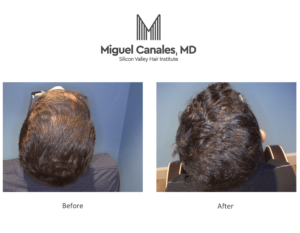
And if a student thinks using AI to write a school paper will get them through the class, that’s considered cheating and they may have to take the class again.
AI is already saturating our social media and the use is making people question the authenticity of videos and posts. Is that person really saying that? Or are they AI-generated? And is the information reliable? And the use of AI in the arts is also being questioned. Human-created music vs. AI-generated has been in the news lately too.
There is still a learning curve for when to use AI and when to walk away from it. Although we hear about the misuse of AI (because bad stories sell), it’s also an amazing tool. And the scientific and medical fields have been using it for over a decade to achieve next-level positive results. Surgical AI-driven robots have reduced complications by at least 30% and helped shorten patient recovery times.
‘AI-literate’ surgeons have found that sweet spot between robotic intervention and a professional skillset.
AI-Assisted Robotic Hair Surgery Brings Real Results
AI-generated content may be eroding the public trust in some areas, but it is taking science and medicine into a new world of innovation and positive outcomes. For example, our ARTAS robotic hair transplant robot in our Foster City clinic has been an excellent tool for Dr. Miguel Canales. And here are a few reasons why:
- Patients receive a full 3D scalp scan with clear renderings of the scalp surface and hair follicles. This allows Dr. Canales to consider how to move forward with the FUE (follicular unit extraction) procedure.
- During the FUE process, the robot helps locate the most viable hair follicles for successful implantation.
- Under Dr. Canales’ guidance, the ARTAS robot carefully selects hair strands throughout the head. This helps avoid leaving noticeable donor patches that were common in older hair transplant procedures.
- The robot provides clear visuals how a patient might look after recovering from surgery.
The best example of how the ARTAS robotic hair transplant system works is in the results. The clinic’s before-and-after page shows how AI-supported hair surgery can result in a full head of hair with a natural hairline and minimal to nonexistent scarring.
The rest of the world may be learning to use AI tools, but a top surgeon in Foster City is fully AI-literate and ready to help others.
